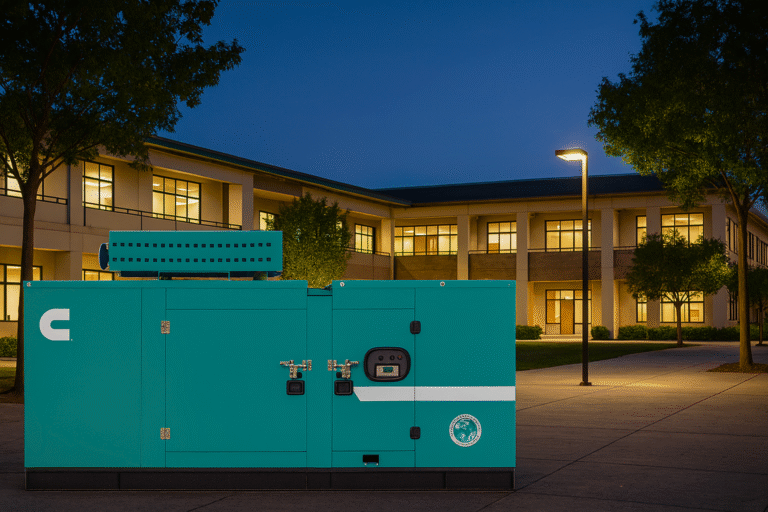
If you’re planning to buy a used diesel generator, there’s one thing you absolutely don’t want to do: trust the seller’s words blindly.
I’ve been around used gensets long enough to know that every machine has a story. Some are solid workhorses. Some are nightmares with a fresh coat of paint. And since a generator is not a small purchase, a quick 10–15 minute inspection can save you a lot of trouble later.
So here’s a straightforward, friendly walkthrough of how I personally audit a used genset — the same process we follow at UsedGensets.com before we add any machine to our stock.
Think of this as advice from someone who’s seen the good, the bad, and the “why on earth is this even running?”
1. Check the Hour Meter — But Don’t Treat It as the Universal Truth
Everyone loves asking, “Kitne hours chala hai?”
But here’s the honest truth: the hour meter only tells part of the story.
Instead of obsessing over the number, look around it.
Does the machine’s wear match the hours?
Do the service stickers make sense?
Is the panel old but the meter brand-new? That’s usually a hint.
A well-maintained DG with higher hours is often better than a low-hour DG that was abused.
2. Look Closely at the Engine Body
Engines don’t hide stress well.
When I inspect a generator, I always run my hand (carefully) along the edges of the block.
I check for:
old oil stains
cracks near bolts
discoloration around the head
uneven paint patches
Fresh paint on a very specific area always makes me suspicious — it usually means something needed “covering up.”
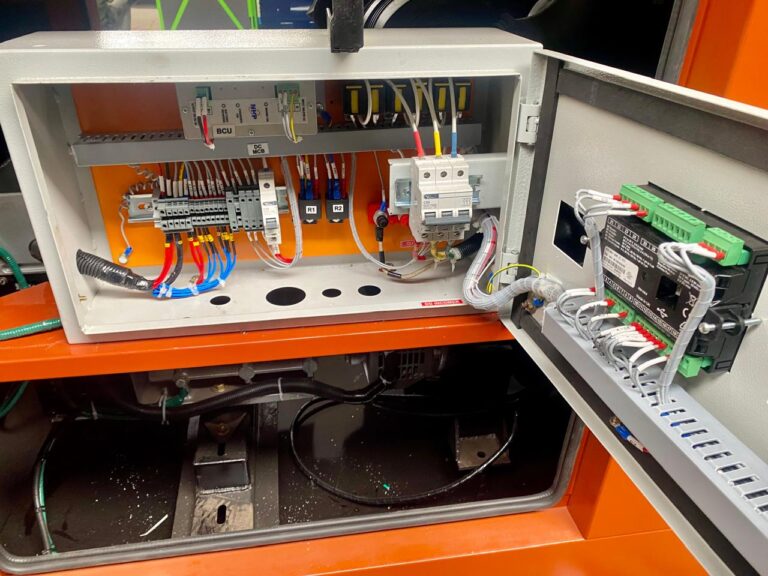
3. Don’t Ignore the Alternator (Most People Do)
If the engine is the heart, the alternator is the brain.
And brains are expensive to fix.
I always make sure to:
smell for any burnt odour near windings
listen for weird bearing sounds
check how it behaves under load
A generator that fluctuates under load is a generator you don’t want.
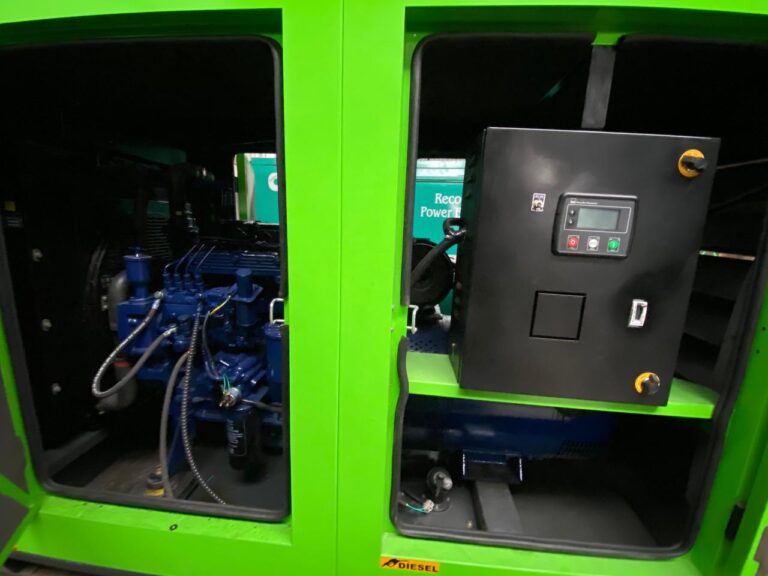
4. Ask About the Load History
This is the part very few buyers think about.
A generator may be 3 years old, but how it was used matters more than how long it was used.
For example:
Was it running at 30–40% load constantly?
Was it overloaded often?
Was it used as a backup or primary supply?
Backup gensets from commercial buildings are usually the safest.
Units from construction sites? Approach carefully.
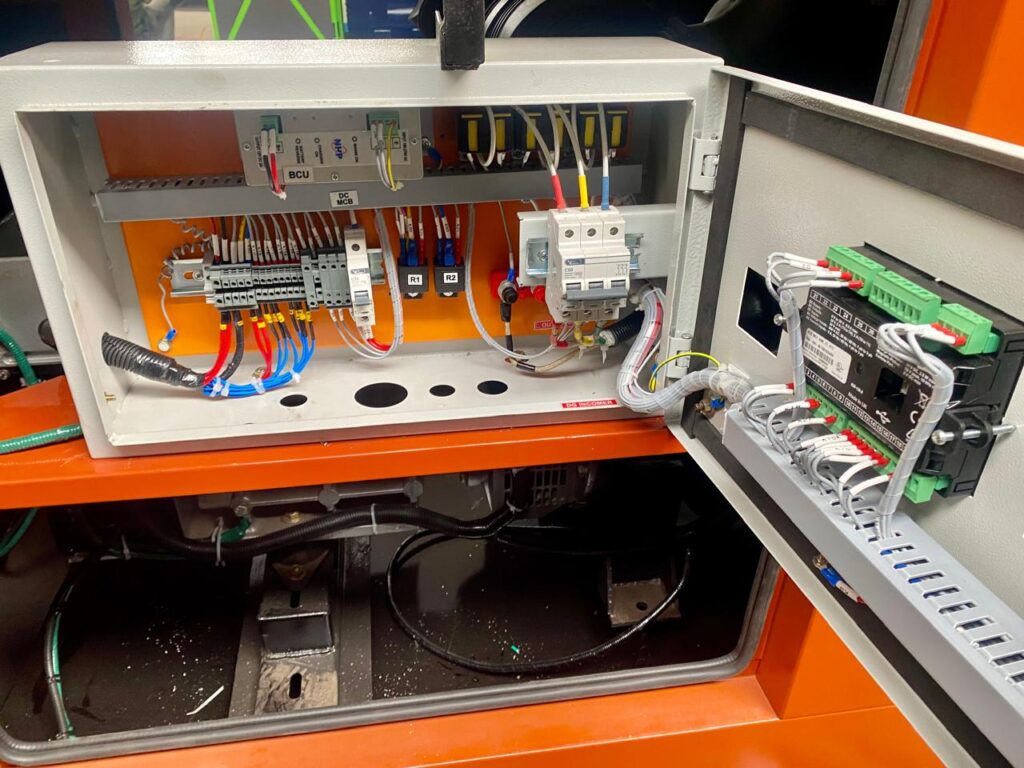
5. Inspect the Control Panel Carefully
The panel tells you more about the generator’s life than most sellers expect.
Look at:
loose wiring
burn marks
sloppy rewiring jobs
error logs (if it’s an electronic panel)
touchpoints that look overused
If something feels off, it usually is.
6. Start the Genset and Watch How It Behaves
Never buy a genset without watching it run.
And definitely not without testing it under load.
When it starts:
Does it struggle?
Does it vibrate excessively?
Does the smoke look normal?
Do the RPMs settle smoothly?
White smoke, black smoke, shaky alternator — these are all warning signs.
A healthy genset sounds steady and behaves “confidently.”
You’ll feel it.
7. Check Papers, Compliance, and CPCB Norms
This is boring but essential.
Make sure you ask for:
CPCB II compliance
previous NOCs
service history
RTO documents if it’s a mobile DG
canopy certification (very important for commercial use)
If paperwork is missing, budgeting for problems is wise.
For official standards, CPCB’s website is reliable:
https://cpcb.nic.in
When to Walk Away
Over the years, I’ve learned one rule:
If a seller hesitates on anything — load test, papers, inspection, letting you open the canopy — politely thank them and walk away.
There’s always another machine.
But repairing a bad one costs more than buying a good one.
How We Do It at UsedGensets.com
Every generator we purchase goes through a detailed inspection and a live load test.
Anything that doesn’t pass gets fixed in our refurbishment line or rejected entirely.
If you ever need help comparing machines or want us to audit one you found somewhere else, we’re happy to help.
You can also check our partner sites for more options:
PowerExpress.in – for rental options
PowerExpressGenerators.com – for Mahindra Diesel Generators.
All three platforms share verified stock, so you get reliable machines — not guesswork.
Final Thoughts
Buying a used generator shouldn’t feel risky.
Once you know what to look for, the process becomes simple and surprisingly satisfying.
And if you follow this checklist, you’ll instantly be better prepared than most first-time buyers.
Frequently Asked Questions
Q1: How many hours is good for a used diesel generator?
A1: A well-maintained diesel generator with 5,000 hours can be better than a poorly serviced one with 2,000 hours. Hours alone don’t matter—service history and load patterns are far more important.
Q2: What is the most important thing to check in a used genset?
A2: A proper load test is the most important step. It reveals engine response, alternator stability, smoke behaviour, and vibration issues. If a seller avoids load testing, treat it as a red flag.
Q3: Are refurbished diesel generators reliable?
A3: Yes, a professionally refurbished generator can be very reliable — provided the refurbisher tests, replaces worn parts, rewires if needed, and performs a full load test.
Q4: How do I know if a genset has been overloaded in the past?
A4: Look for dark exhaust soot, heat discoloration on the canopy/engine, uneven alternator sound, and overload fault logs on the controller. AMC reports often record overload trips.
Q5: Should I buy a generator without CPCB-II compliance?
A5: Avoid non-CPCB-II gensets for urban or commercial use — you may face penalties. Non-compliant machines are better only for private, off-grid, or rural use where rules differ.